
Lift off

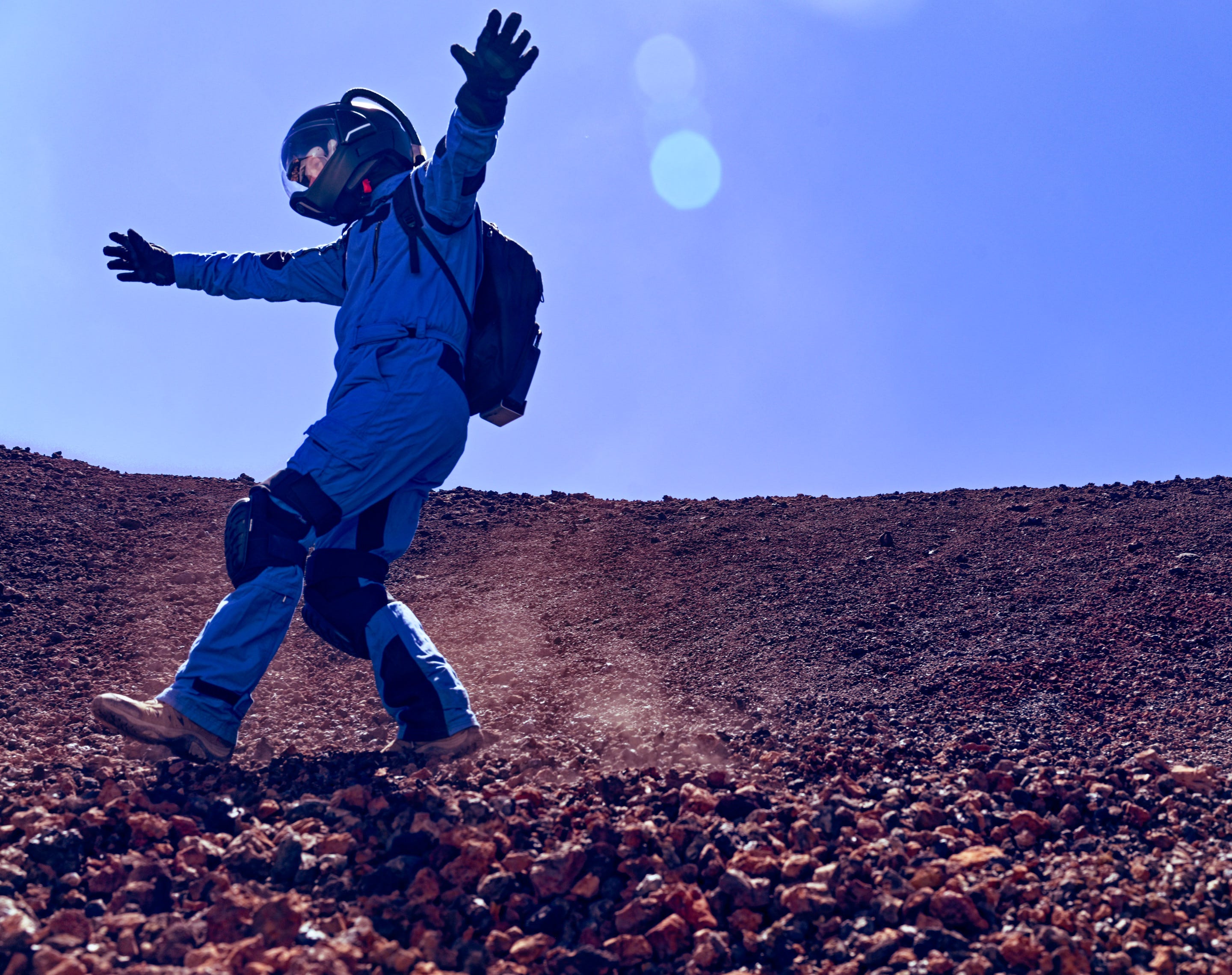
When humans decided to simulate life on another world, they came to a place like this — 8,200 feet up on the slopes of Mauna Loa, where the volcanic rock stretches out in every direction and the horizon looks like it belongs to a different planet.
This is HI-SEAS, the Hawai’i Space Exploration Analog and Simulation station on the Big Island, where NASA and researchers have long trained for what comes next. Inside a 1,200-square-foot habitat designed to mimic the surface of the Moon and Mars, crews have lived, worked, and tested the limits of what it means to be human in isolation — including what they eat. U.S. soy was among the food sources researched for long-duration missions, valued for its protein density and versatility in the kind of shelf-stable, nutrient-rich diet that keeps crews alive and functional far from home.


Tonight, that “what comes next” gets a little more real. NASA’s Artemis II launches this evening from Kennedy Space Center, with a window opening at 6:24 p.m. EDT — the first crewed mission to travel toward the moon since Apollo 17 in 1972. Four astronauts. One Orion capsule. A 10-day loop around the moon and back.
The analog work done in places like this — and the food science behind it — helped get us here.
Very interesting read Joe. I read your article on 25 years of photography and documenting of agriculture! So well written!