
Twenty-five seasons

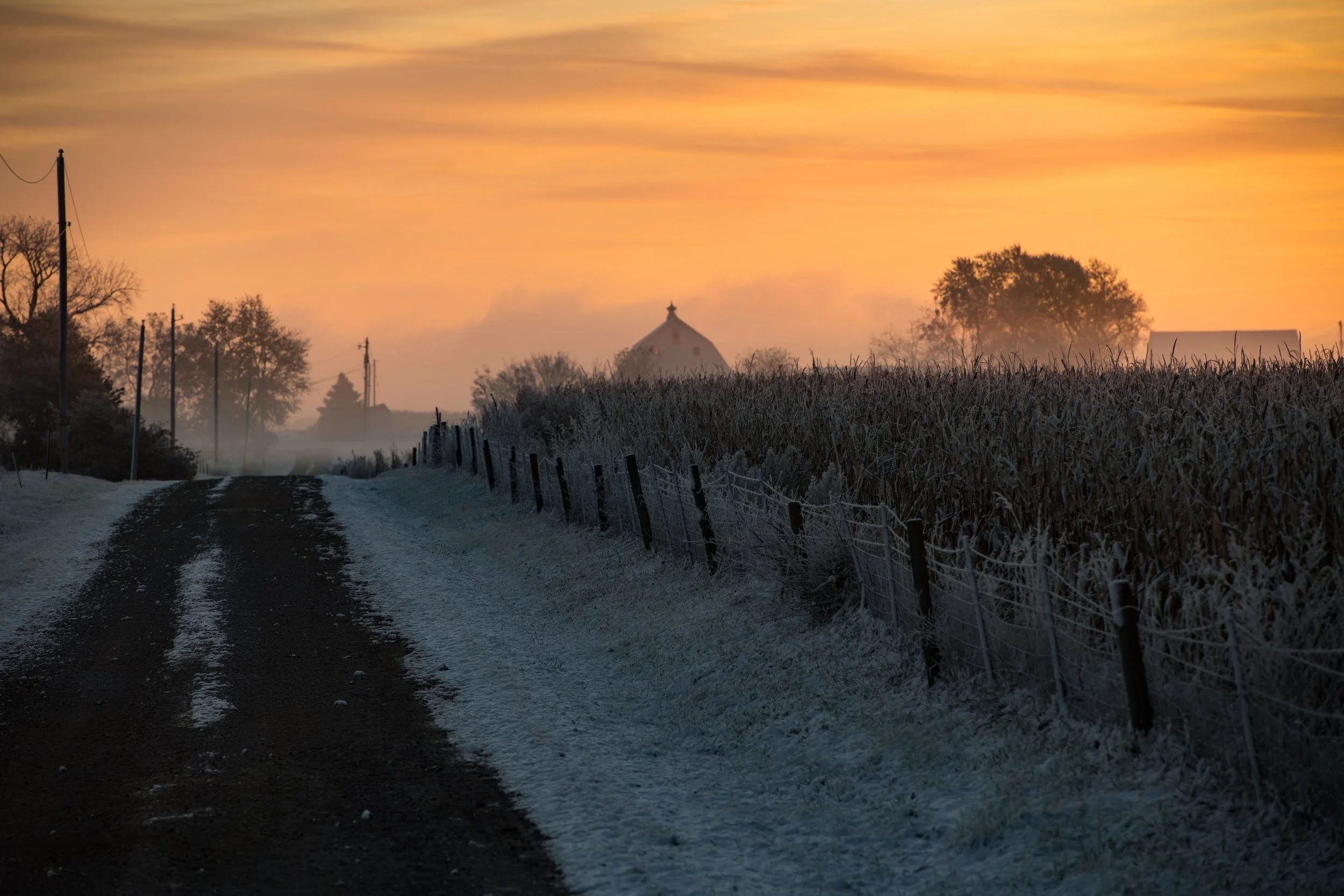
Growing up in Forest City, Iowa, agriculture was always nearby — but it wasn’t necessarily where I thought my life was headed. Forest City is surrounded by the gentle rolling hills and black soil that define the state. It was there, but it was always in the background.
Twenty-five years later, that background has become everything. It has taken me to 18 countries across five continents, introduced me to amazing people, and taught me more than any classroom ever could.
My career started with weekly and daily newspapers, along with freelance work for the Associated Press and United Press International, before landing at the Iowa Farm Bureau in August of 2001. Little did I know that would be the job that would redefine what I thought photojournalism could be. Since then, I’ve worked for the Iowa Soybean Association and the United Soybean Board.
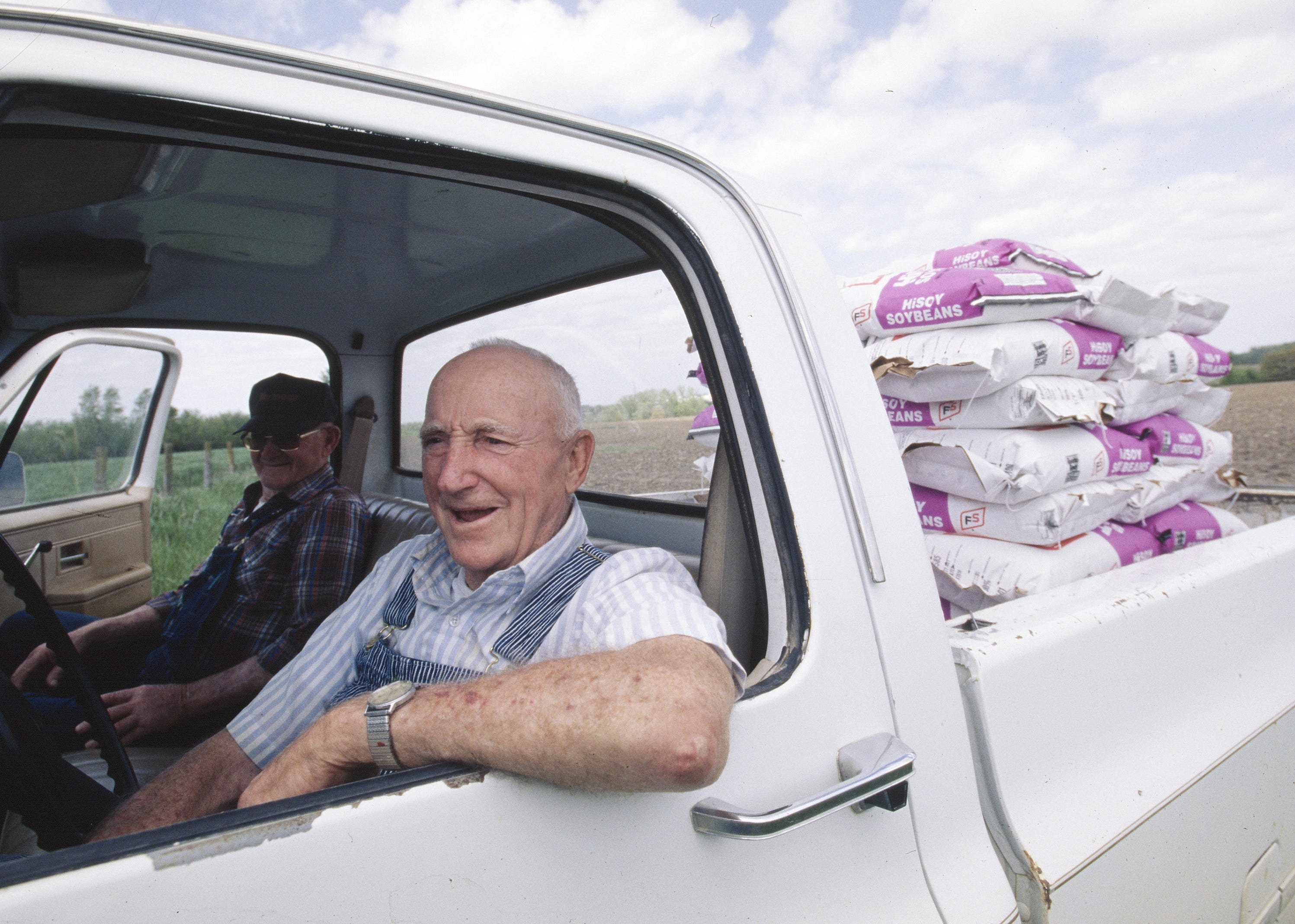
Agriculture has carried me from the Missouri River bottoms of southwest Iowa to the expansive soybean fields of South America. I’ve also slogged through rice paddies in Asia, explored the culture of Northern Africa and stood in European fields that have been farmed for centuries.
The stories that stay with me are always about the people whom I’ve met along the way.
Leo
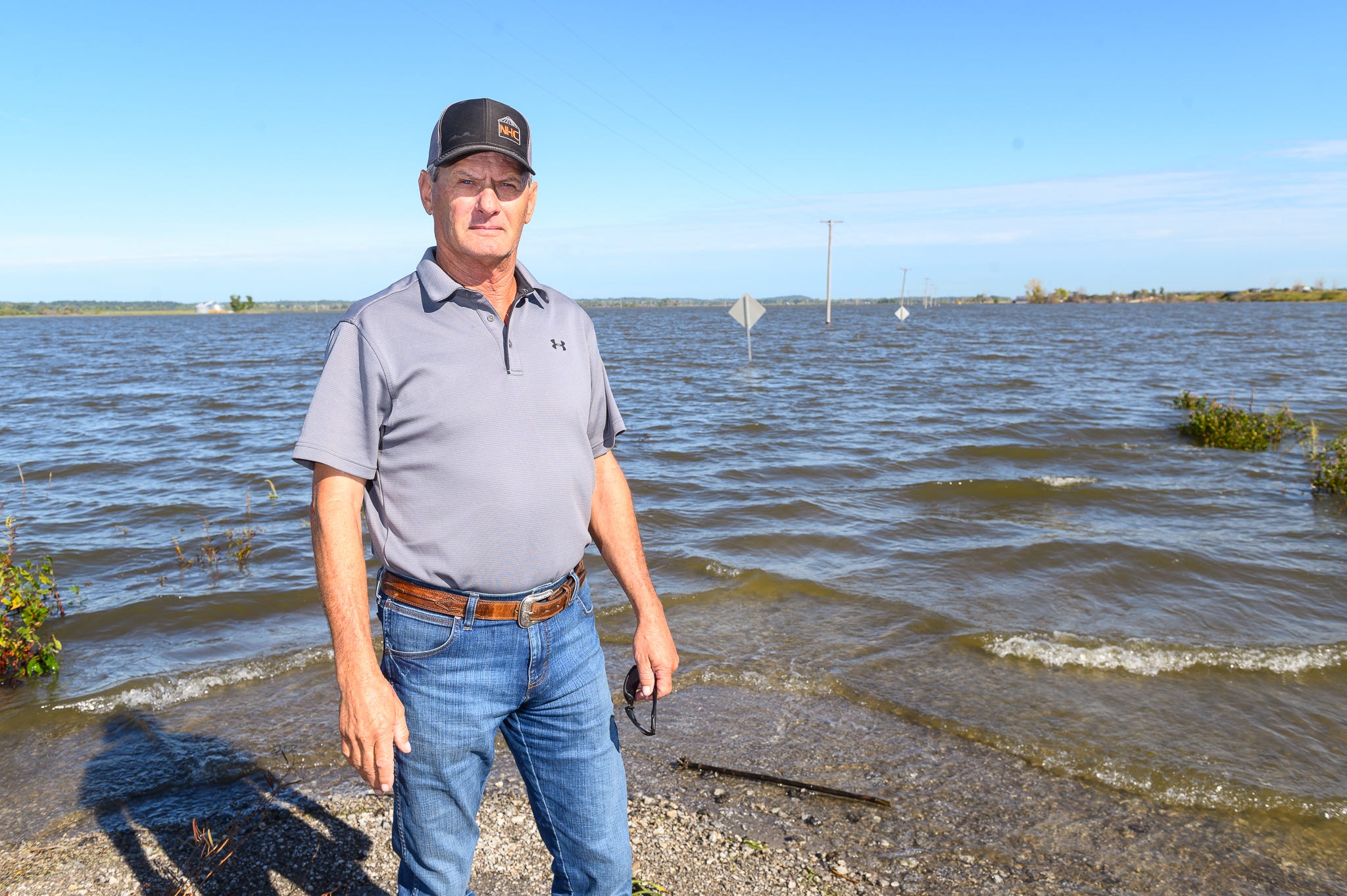
On a grey November morning in 2019, Leo Ettleman stood at the edge of what should have been a soybean field near the town of McPaul in Fremont County and looked out at something that more closely resembled a lake. He didn’t need to consult a calendar to know how long the water had been there.
“Six months and seven days,” he said.
The Missouri River had blown out the flood levees on March 19 of that year, sweeping across Ettleman’s fields and ultimately impacting 1,700 acres that he and his son farm together. Of that, 350 acres had not been dry since. Across Fremont County, officials tallied 600 miles of damaged levees, 110 total breaches, and roughly 49,000 acres of impacted farm ground. An estimated $34 million worth of stored soybeans and corn had been lost.
Leo Ettleman is a sixth-generation farmer. His family has worked that ground through drought, market collapse, and everything else agriculture throws at a family across generations. But he had never seen anything like this.
“What civilized, progressive nation goes through an eight-month flood over such a huge area?” he said. “It is absurd to have an eight-month flood, a six-month flood. It is unbelievable.”
A member of the Flood Recovery Advisory Board and Responsible River Management, Ettleman directed his frustration at the U.S. Army Corps of Engineers and what he saw as mismanaged reservoirs and misplaced priorities. The reservoirs along the Missouri system were built for flood control, he argued, and their management had failed the people who depended on that promise.
“I don’t know where to point fingers because there are so many places you can point fingers,” he said. “To have a six-month flood, an eight-month flood, and still have those reservoirs that full tells me things have to be changed.”
Despite everything, he was already looking toward spring. “We anticipate to farm it all,” he said that November. “That might be a stretch, but if there is a chance to get it planted, we will.”
That refusal to surrender the land his family had farmed for six generations is what I kept thinking about as I drove away from his farm. Once I left the river valley, it dawned on me that hardly anyone knew the strife that he was facing and hundreds of other farmers in the area.
Many of these stories never make the national news. The cameras come for the dramatic aerial shots of flood water over fields, and then they leave. I made sure I stayed to tell the stories, and unfortunately, I had to go back several times when the flood waters returned.
Farm families
Some of the most important memories of my career are built around the passage of time. I’ve captured the changing of seasons, documented harvests and plantings, and watched families navigate their lives.
I’ve known the Steinkamp family for more than two decades. Julie and her husband Doug farm in Sac County in northwest Iowa, raising corn, soybeans, and cattle. For a time, Julie wrote a farm wife diary for the Iowa Farm Bureau, documenting the rhythms of their life, Doug’s work, the children’s lives on the farm, while providing a general glimpse of their days that outsiders rarely see.
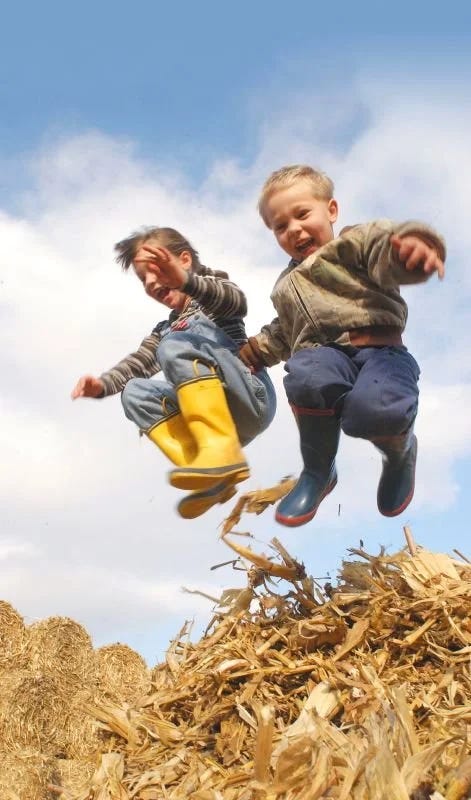
Over the years, I’ve watched Julie and Doug’s children move from the blur of farm kids doing chores and climbing on corn bales to adults pursuing their own careers.
The passage of time can be scary. What I hang onto are the relationships that have grown from a nervous first meeting, the way a family that once tolerated a stranger with a camera eventually stopped noticing it was there. I’m always amazed at what my camera has allowed me to do and the people I’ve met along the way.
That’s what documentary photography does. It doesn’t just capture a moment. It witnesses lives.
A way of life
Twenty-five years have taught me that the story was never really about soybeans or cattle prices or trade policy. It was always about the people who make their living on the land.
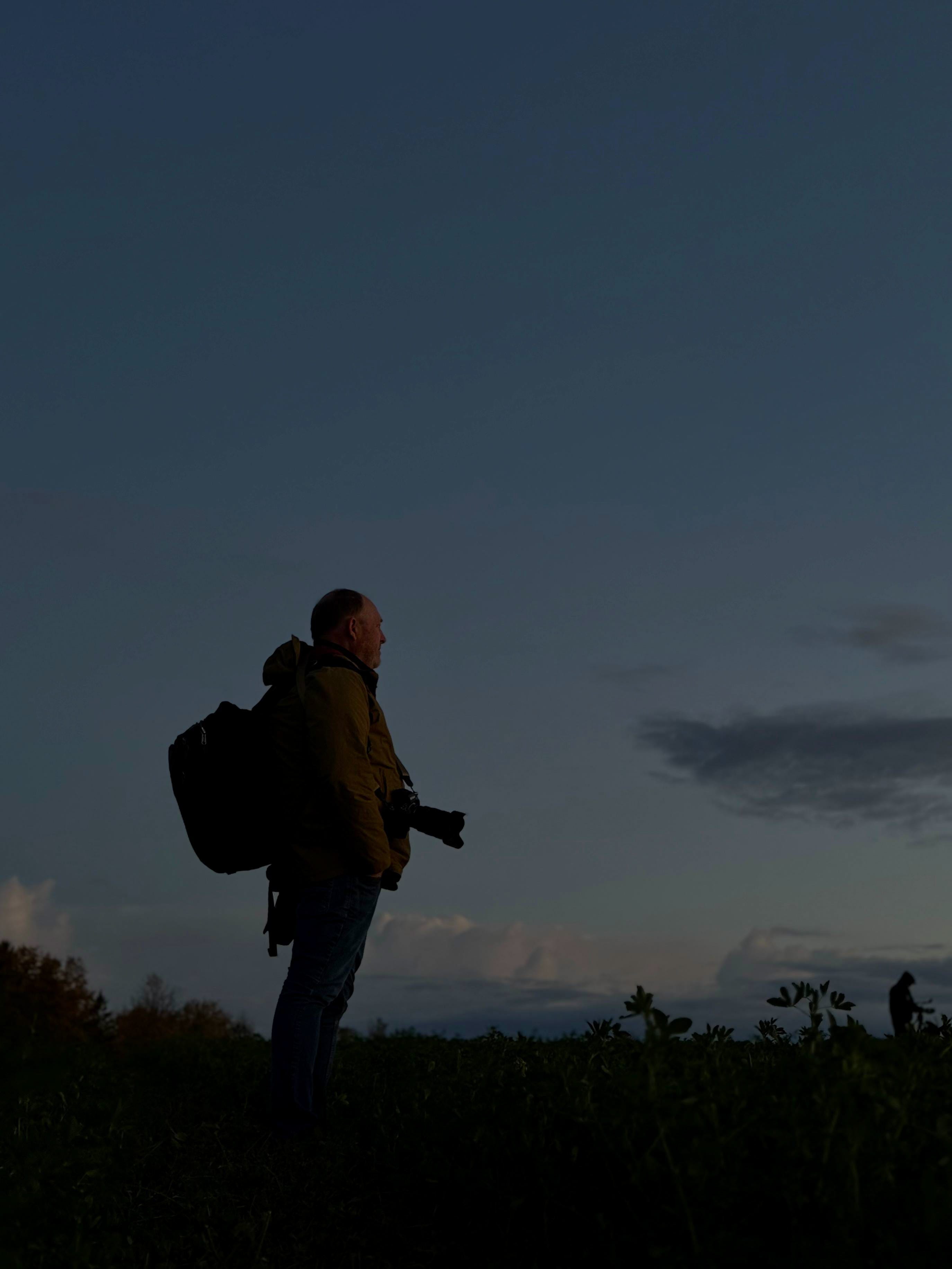
I didn’t plan any of this. A small town kid from Forest City, I studied journalism and photography at the University of Iowa, shot photos for the AP and UPI, worked the weekly newspaper circuit, and somehow landed in agricultural storytelling. Twenty-five years later, I can’t imagine having spent them any other way.
Bravo Joe!!
Another wonderful story about life ( and agriculture)!